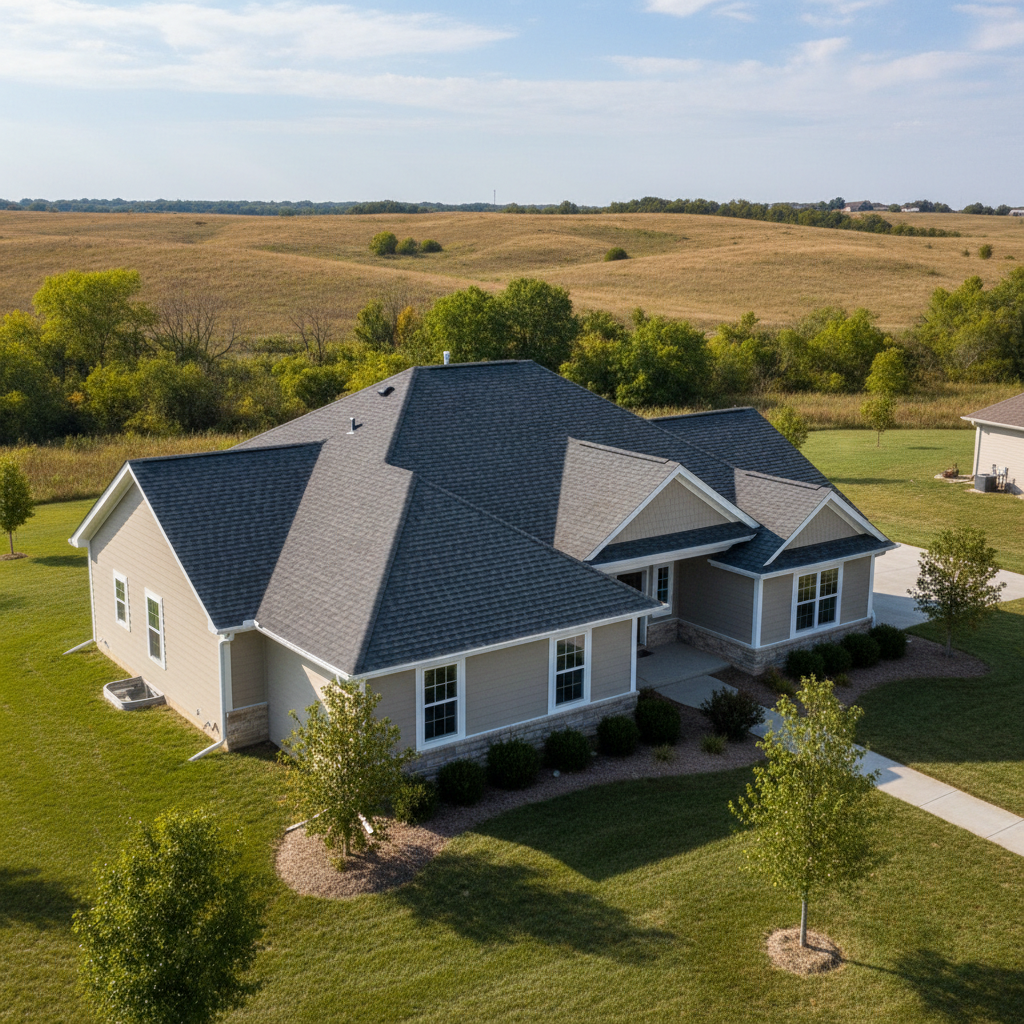
So, you're building a new home here in Derby. That's exciting! A lot goes into a new build, and sometimes, the roof gets treated like just another checkbox. But it's your home's first line of defense, so you want to get it right. I've seen plenty of new construction projects over the years, and I can tell you, a little planning goes a long way.
Understanding Your Project Timeline
Let's talk timeline first, because people often underestimate this. You can't just slap a roof on at the last minute. Roofing is a critical part of getting your home dried in, which means getting it protected from the elements so other trades can start their interior work.
- Early Planning (Months Before): This is when you're picking out your builder, your plans, and making material choices. You should be thinking about your roof type here – asphalt shingles, metal, tile? This decision impacts the structure, the budget, and the look.
- Framing & Sheathing (Weeks Before): Once your walls are up and the roof trusses are set, the roof deck (sheathing) goes on. This is when your roofing contractor needs to be lined up and ready to go.
- Roof Installation (Days to Weeks): The actual installation process itself can vary. For a standard asphalt shingle roof on an average-sized Derby home, we're usually looking at a few days to a week once we start. Larger, more complex roofs, or those with specialized materials like metal or tile, will take longer. Don't forget, Kansas weather can throw a wrench in things. A good contractor will factor in potential rain delays.
- Final Inspection: After the roof is on, it'll need to pass inspection. Your builder will coordinate this, but it's good to know it's part of the process.
The key takeaway here? Don't wait until the framing is done to start thinking about your roofer. Get them involved early, especially if you're considering anything beyond standard asphalt.
What to Expect During the Process
Once we're on site, here's a general idea of what you'll see happening:
- Material Delivery: Shingles, underlayment, flashing, and other materials will be delivered to your site. We'll usually have them craned directly onto the roof deck if possible, or stacked neatly on the ground.
- Deck Preparation: We'll make sure the roof deck is clean, smooth, and ready. This includes installing drip edge around the perimeter.
- Underlayment Installation: This is the protective layer that goes directly on the roof deck before the shingles. It's crucial for water shedding.
- Flashing Installation: Around chimneys, vents, skylights, and in valleys, flashing is installed to prevent leaks. This is where a lot of less experienced roofers cut corners, and it's where you see problems down the road.
- Shingle Installation: The main event! Shingles are installed from the eaves up to the ridge.
- Ventilation: Proper attic ventilation is critical for the longevity of your roof and for your home's energy efficiency. We'll install ridge vents, soffit vents, or other types as specified.
- Clean-up: A good crew, like the one at Derby Roofing Company, will do a thorough clean-up, removing all debris, old materials, and nails from around your property. We're talking magnet sweeps and making sure your new yard isn't full of hazards.
How to Prepare Your New Home Site
Since it's a new build, you might think there's not much for you to do, but a little communication with your builder and roofer helps everyone. Make sure there's clear access for material delivery and our crew. If there are any specific landscaping plans right up against the house, or if you're worried about certain areas, point them out. We'll work with your builder to ensure a smooth operation.
Also, if you're planning on being on site, just be aware that it's an active construction zone. Safety first for everyone.
Questions to Ask Before Signing a Contract
Don't just go with the first quote. Ask questions. Any reputable contractor won't mind. Here are some you should definitely hit:
- Are you licensed and insured for work in Kansas? This is non-negotiable. You want to see proof of liability insurance and workers' compensation.
- What specific materials do you recommend, and why? Don't just take