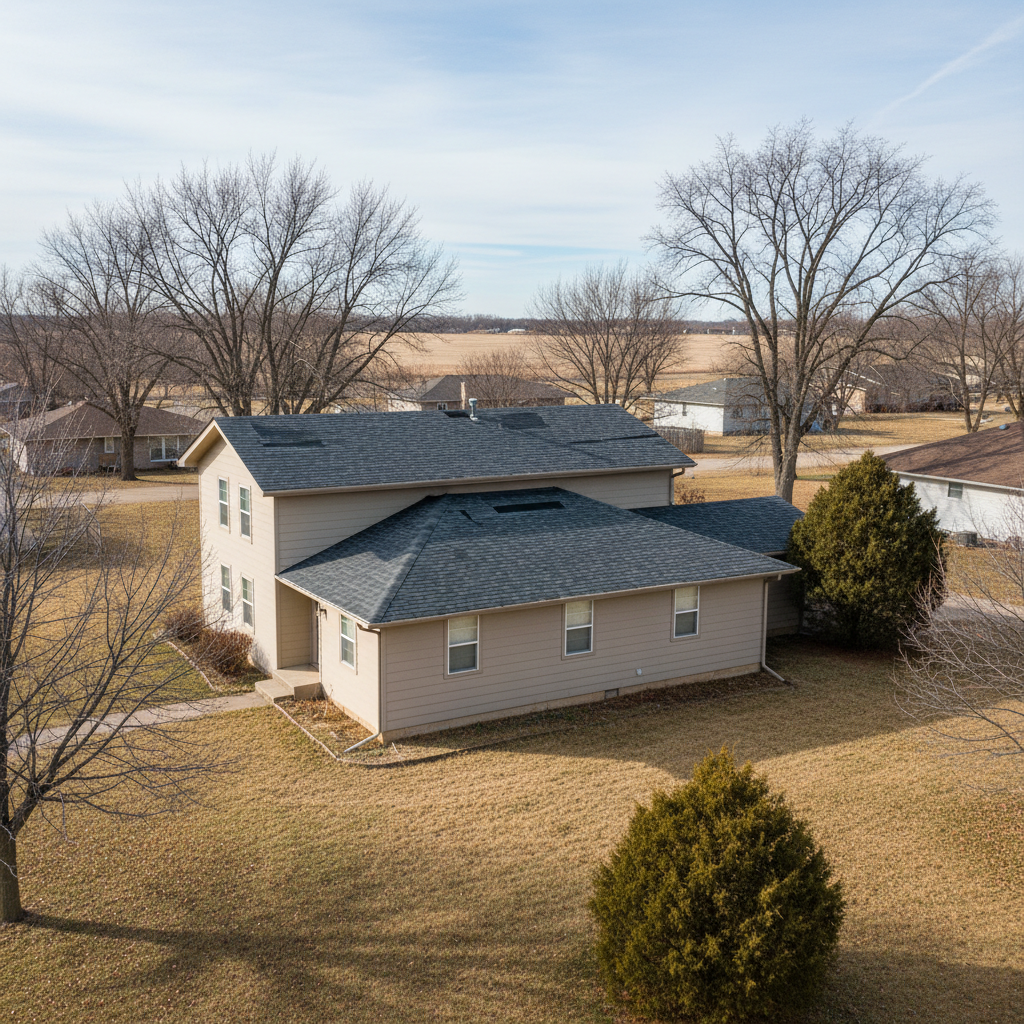
When's the best time to get your roof fixed or replaced here in Derby? That's a question I get a lot, and honestly, the answer isn't always straightforward. Our Kansas weather doesn't exactly play nice, does it? We get everything from scorching summers to icy winters, and that means you've got to think smart about your roof.
Understanding Derby's Weather & Your Roof
Let's talk about what we're up against. We've got those hot, humid summers that bake shingles, followed by fall's temperature swings. Then winter hits with freezing temps, ice, and sometimes heavy snow. And don't even get me started on spring – that's when the real fun starts with hailstorms and tornadic activity that can tear a roof apart in minutes. I've seen roofs in neighborhoods like Stone Creek Hills take a beating from hail the size of golf balls, leaving behind damage that's not always obvious from the ground.
All this weather takes a toll. UV rays degrade materials, heat expands and contracts everything, and ice can cause water to back up under shingles. Hail and high winds are the obvious culprits for immediate damage, but the slow, steady wear and tear from our climate is just as important to consider.
When to Schedule Roof Work: Timing is Everything
So, when's the sweet spot for roof repair or replacement? Ideally, you want to avoid extreme temperatures. Here's my take:
- Spring (Late March - May): This can be a good time, but it's also storm season. If you've got damage from winter, get it inspected early. Just know that if a big storm rolls through, everyone else will be calling too, and wait times can get long. We'll often be swamped with emergency repairs.
- Summer (June - August): It's hot, no doubt about it. Shingles get soft and can be tricky to work with, but it's usually dry. If you need a full replacement and the weather holds, it can work. Just make sure your contractor is taking precautions for their crew in the heat.
- Fall (September - Early November): This is probably the best window. Temperatures are milder, less rain than spring, and usually fewer severe storms. Shingles lay down nicely, and sealants cure properly. If you can, aim for fall for any major projects.
- Winter (Late November - February): Not ideal for major work. Cold temperatures make shingles brittle, and they won't seal down correctly. Ice and snow make working conditions dangerous and can hide underlying issues. We'll do emergency repairs in winter, of course, but full replacements are usually put off until spring.
The key is to get ahead of the game. Don't wait until you see a leak. By then, you've likely got bigger problems.
Weather Conditions That Affect the Job
Beyond the season, specific weather conditions can halt a job:
- Rain: Obvious, right? You can't tear off a roof and leave your home exposed to the elements. We'll always watch the forecast like a hawk.
- High Winds: Safety is paramount. Working on a roof in high winds is dangerous for the crew, and it can also blow off newly installed materials before they're properly secured.
- Extreme Cold: As I mentioned, shingles don't adhere well in freezing temperatures. The adhesive needs warmth to activate and seal properly.
- Extreme Heat: While we can work in the heat, excessive temperatures can make shingles too pliable, increasing the risk of damage during installation. It also puts a lot of strain on the crew.
When you hire Derby Roofing Company, we're not just looking at the calendar; we're looking at the daily forecast to make sure the conditions are right for a quality, safe installation.
Protecting Your Investment Year-Round
Your roof is a big investment, and it protects everything inside your home. Here's how to keep it healthy:
- Regular Inspections: I recommend getting your roof inspected at least once a year, especially after a major storm. A professional eye can spot small issues before they become big, expensive ones. We're talking about things like lifted shingles, damaged flashing, or granular loss.
- Clear Gutters: Clogged gutters cause water to back up, which can lead to fascia rot, ice dams in winter, and water intrusion. Keep 'em clean!
- Trim Trees: Branches rubbing against your roof can wear away granules. Overhanging limbs are also a risk during high winds or ice storms – they can fall and cause serious damage.
- Ventilation: Proper attic ventilation is crucial. It helps regulate attic temperature, reducing heat buildup in summer and preventing moisture accumulation in winter. This extends the life of your shingles and can even lower your energy bills.
Look, your roof is your home's first line of defense against everything Kansas throws at it. Don't neglect it. A little proactive care goes a long way in saving you a headache and a lot of money down the road.