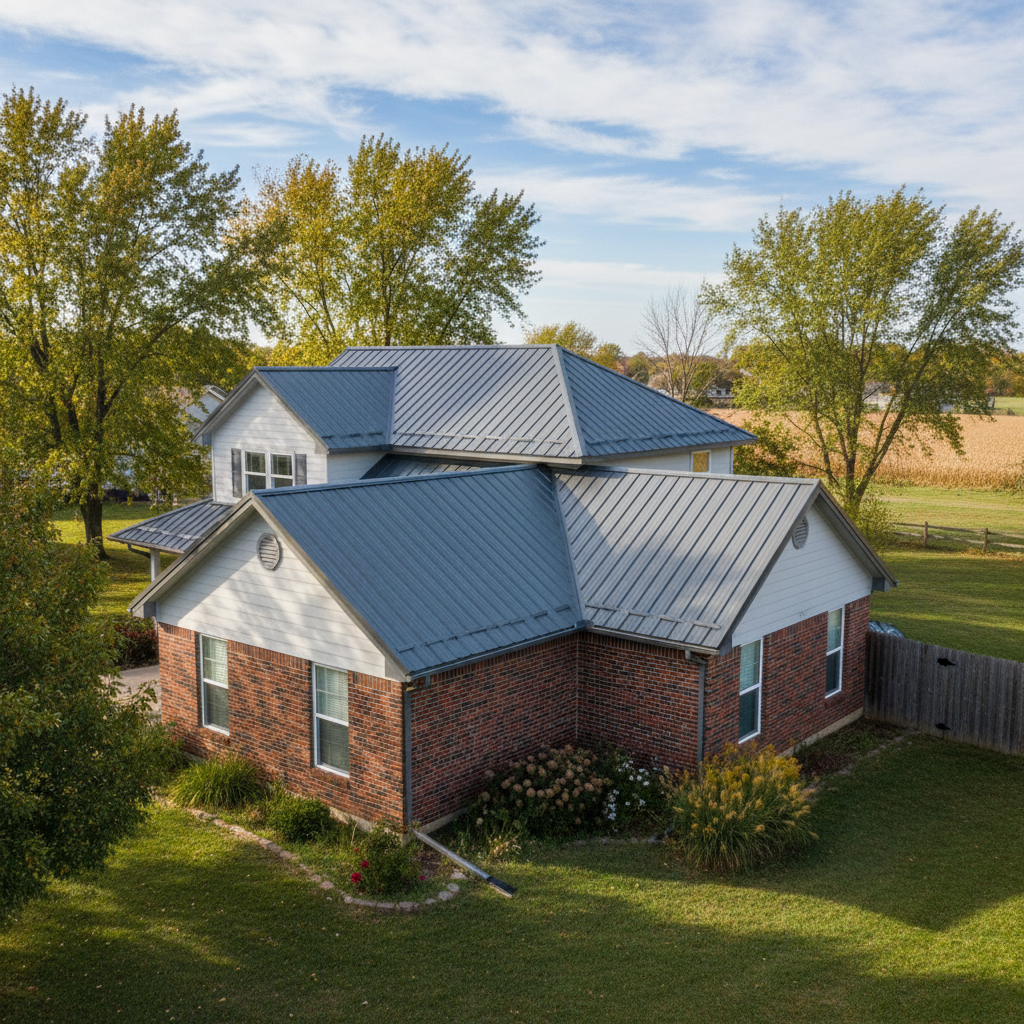
So, you've put your money into a metal roof – smart choice, especially here in Derby. They're tough, they last ages, and let's be honest, they look fantastic. But even the strongest roofs need a bit of seasonal care to keep them doing their best. I've seen countless roofs in this town, from the older places near Rock Road to those shiny new builds out by Spring Creek, and the folks who look after their metal roofs really get the most out of them. Let's chat about what our Kansas climate means for your metal roof and how you can protect that investment all year long.
When to Tackle Metal Roof Work in Derby
When's the best time to do anything with your metal roof? Honestly, it just depends on the job. For a brand new installation or a big repair, I always tell people spring and fall are your best bet. Why? Our summers can be brutal, can't they? Working on a metal roof in July when it's 95 degrees outside and the roof itself is hitting 150 degrees isn't just uncomfortable; it can actually mess with the materials. Sealants, for instance, cure differently in extreme heat, and it's simply safer for my crew. Plus, those summer thunderstorms can pop up fast and furious, turning a planned workday into a total washout.
Winter, on the other hand, brings its own set of headaches. Sure, metal roofs shed snow beautifully, but trying to do precision work with frozen hands and slick surfaces? Not ideal. Small repairs or inspections can happen on milder winter days, but bigger projects? We really try to steer clear of those if we can.
Weather That Really Tests Metal Roofing
Here in Derby, we truly get all four seasons – sometimes in the same week! That means your metal roof has to put up with a lot. High winds are a huge factor. We've all seen those spring and fall storms whip through, right? While metal roofs are built to handle high winds, loose fasteners or panels that weren't installed quite right can become a real headache. That's why regular checks are so important – you want to catch those little issues before a 70 mph gust turns a small problem into a really big one.
Hail is another major player. Our hailstorms can range from pea-sized to golf-ball sized or even bigger. A good quality metal roof can take a beating, but severe hail can still dent panels or damage the coatings. After any significant hail event, it's smart to get a professional inspection. Don't just assume everything's fine because you don't see a leak. Sometimes the damage looks cosmetic but can lead to bigger issues later on if that protective coating gets compromised.
Temperature swings are also a quiet enemy. Metal expands and contracts as the temperature changes. This is totally normal, and we account for it during installation. However, if fasteners aren't put in correctly, or if there's too much stress on certain spots, that constant movement can cause wear and tear over time. That's why picking an experienced installer like Derby Roofing Company is so crucial – we know how to properly handle thermal movement.
Keeping Your Metal Roof Protected All Year
So, what can you actually do to protect your investment? A few simple things make a huge difference:
- Regular Inspections: I really can't say this enough. At least once a year, or definitely after any big storm, get up there (or have us do it safely) and look for anything out of place. Are there loose fasteners? Any panels lifting? Is debris piling up in valleys or around vents? Catching these things early saves you money.
- Keep it Clean: Leaves, twigs, and other gunk can build up, especially in valleys or around chimneys. This can hold moisture against the roof surface, which isn't good for any material, even metal. A quick sweep or rinse can prevent potential problems.
- Check Sealants: Around vents, skylights, and flashing, sealants can break down over time from UV rays and temperature changes. Make sure they're still flexible and not cracked or peeling. Re-caulking as needed is a small job that prevents big leaks.
- Trim Trees: If you've got trees hanging over your roof, keep them trimmed back. Falling branches can dent or scratch panels, and leaves just add to that debris buildup. Plus, squirrels and other critters love easy access to your roof and attic when branches are close.
- Mind Your Gutters: Clogged gutters can cause water to back up onto your roof, leading to ice dams in winter or just overflowing water during heavy rains. Keep them clear so water flows freely off your roof and away from your foundation.
Your metal roof is built to last, but "built to last" doesn't mean "maintenance-free." A little attention throughout the year, understanding our local Derby weather patterns, and knowing when to call in the pros will make sure your roof keeps protecting your home for decades to come. If you've got questions or need an inspection, you know who to call.